A cosmic sequel that aims for the stars
The Outer Worlds 2, developed by Obsidian Entertainment and published by Xbox Game Studios, is the anticipated sequel to the 2019 sci-fi RPG. Set in the newly colonized Arcadia star system, players step into the role of an Earth Directorate Agent tasked with investigating mysterious rifts threatening the colony amid escalating factional conflicts.
The Outer Worlds 2 builds upon its predecessor; this sequel uses enhanced visuals, deeper role-playing mechanics, and a more expansive universe to explore. The game offers a richer, more immersive, and bolder storyline for players to take an adventure without limits.
A new frontier awaits
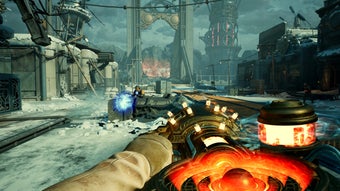
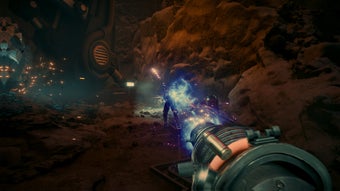
The Outer Worlds 2 offers a blend of combat, stealth, and dialogue-driven interactions. The combat system has been refined, introducing dynamic movement options like sprint-sliding while aiming, enhancing the fluidity of gunplay. The return of Tactical Time Dilation allows players to strategically slow down time during engagements. An expanded arsenal features weapons with diverse effects, including freezing, incinerating, and electrifying foes. While the gameplay is fine, some game mechanics remain clunky and unbalanced.
This action game leans heavily into character-building. You can customize your character through traits, backgrounds, and a flexible perk system, letting your build meaningfully affect dialogue and gameplay. Its role-playing systems are richer with more real consequences for your choices. Combat feels improved as both guns and melee feel tighter, and the addition of strategic gadgets gives fights more variety. However, many players point out that some playstyles feel less viable than others.
A breathing and expanding world
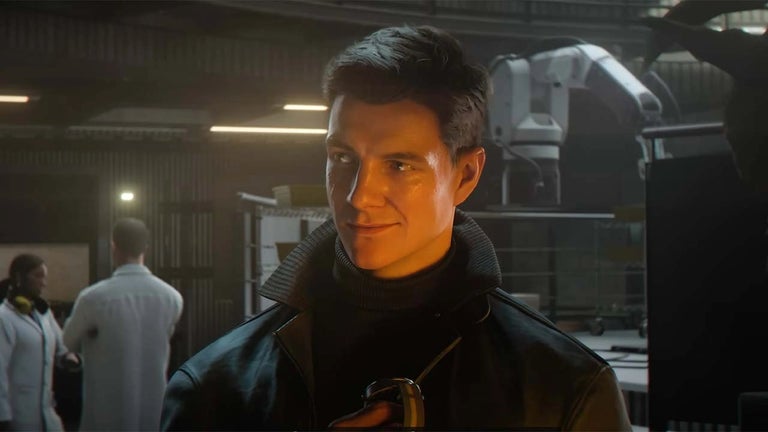
The Outer Worlds 2 retains Obsidian's trademark satire. The game’s plot revolves around the Directorate investigating spatial rifts created by authoritarian science groups, weaving together themes of capitalism, collectivism, and power. Your dialogue options feel weighty with a high “speech” skill; you can talk your way through major conflicts, but sometimes the payoff feels muted. Companions offer personality and viewpoint, expanding player choice. Although some players point out that factions lack real impact.
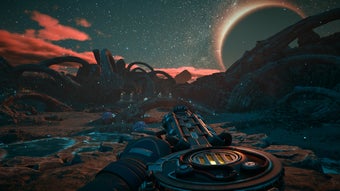
Player choice changes outcomes. In this massive world, decisions have a real and noticeable impact on the world. With multiple factions, branching story paths, and different playstyle options, there’s meaningful replay value. Side content is also deeply engaging, and the exploration rewards curiosity. However, some players mention the absence of a New Game+ mode, which limits long-term replayability. Visually, the game is strong, capturing sci-fi vibrance, uniqueness, and detail. Still, performance issues persist on older devices.
A strong step forward
The Outer Worlds 2 expands its universe with sharper combat, richer role-playing, and a more ambitious narrative that deepens player choice. Its vibrant worlds, refined systems, and meaningful dialogue options make it a standout sequel with impressive replay value. Yet, issues like uneven playstyle balance, faction impact concerns, and performance hiccups keep it from total perfection. Even so, it remains a bold and engaging evolution of Obsidian’s sci-fi RPG formula.